



GABA Receptor
Gamma-aminobutyric acid Receptor; γ-Aminobutyric acid Receptor
GABA receptors are a class of receptors that respond to the neurotransmitter gamma-aminobutyric acid (GABA), the chief inhibitory neurotransmitter in the vertebrate central nervous system. There are two classes of GABA receptors: GABAA and GABAB. GABAA receptors are ligand-gated ion channels (also known as ionotropic receptors), whereas GABAB receptors are G protein-coupled receptors (also known asmetabotropic receptors). It has long been recognized that the fast response of neurons to GABA that is blocked by bicuculline and picrotoxin is due to direct activation of an anion channel. This channel was subsequently termed the GABAA receptor. Fast-responding GABA receptors are members of family of Cys-loop ligand-gated ion channels. A slow response to GABA is mediated by GABAB receptors, originally defined on the basis of pharmacological properties.
All Product Categories
-
GABA Receptor Inhibitors
(152)
View all products
-
GABA Receptor Agonists
(189)
View all products
-
GABA Receptor Antagonists
(138)
View all products
-
GABA Receptor Activators
(69)
View all products
-
GABA Receptor Modulators
(93)
View all products
-
GABA Receptor Controls
(4)
View all products
-
GABA Receptor Ligands
(16)
View all products
-
GABA Receptor Related Products (779)
Related Products (779)

-
Antibodies (14)
-
Related Compound Screening Libraries (1)
-
Etiocholanolone
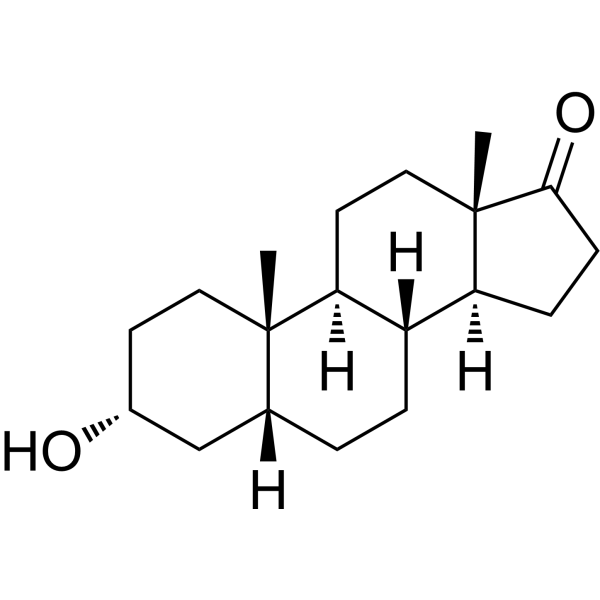 0 ImagesEtiocholanolone (5β-Androsterone) is the excreted metabolite of testosterone and has anticonvulsant activity. Etiocholanolone is a less potent neurosteroid positive allosteric modulator (PAM) of the GABAA receptor than its enantiomer form.
-
Valerate sodium
 0 ImagesValerate sodium is the sodium salt of valeric acid, a short-chain fatty acid, and exhibits oral activity. Valerate sodium reduces binge ethanol intake and decreases blood ethanol concentration in mice, while also exerting anxiolytic effects. Valerate sodium increases GABA levels, regulates epigenetics and alters gut microbiome function. Valerate sodium can be used in research related to excessive alcohol consumption.
-
Cyclothiazide
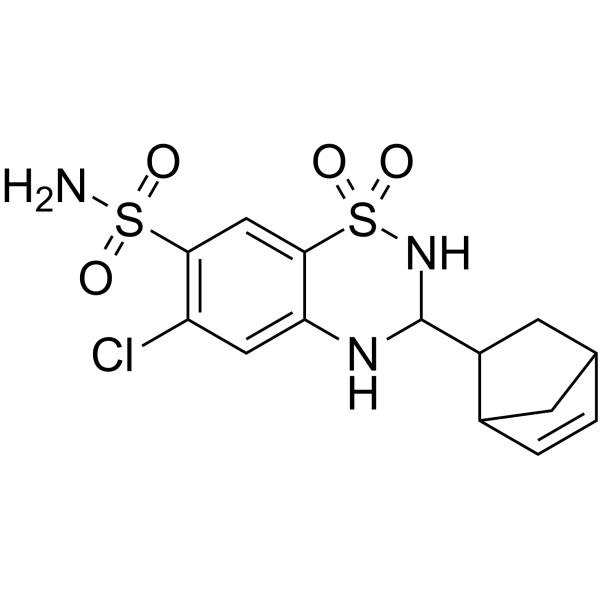 0 ImagesCyclothiazide is a positive allosteric modulator of ionotropic AMPA-type glutamate receptors. Cyclothiazide inhibits GABAA receptors. Cyclothiazide is frequently used to produce a fast inhibition of AMPA receptor desensitization and a much slower potentiation of the AMPA current. Cyclothiazide can potentiate responses to kainate in hippocampal neurons. Cyclothiazide has effects on glutamatergic neurotransmission. Cyclothiazide also induces epileptiform EEG activity accompanying behavioral seizures.
-
Isoguvacine hydrochloride
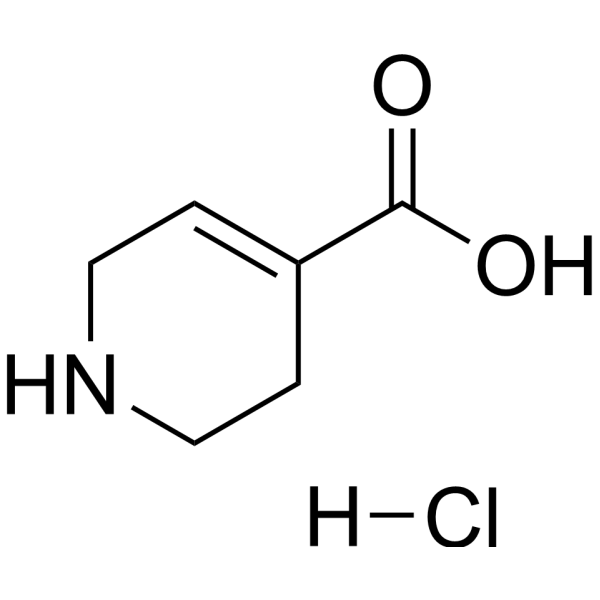 0 ImagesIsoguvacine hydrochloride is a GABA receptor agonist.
-
Ginsenoside Rc
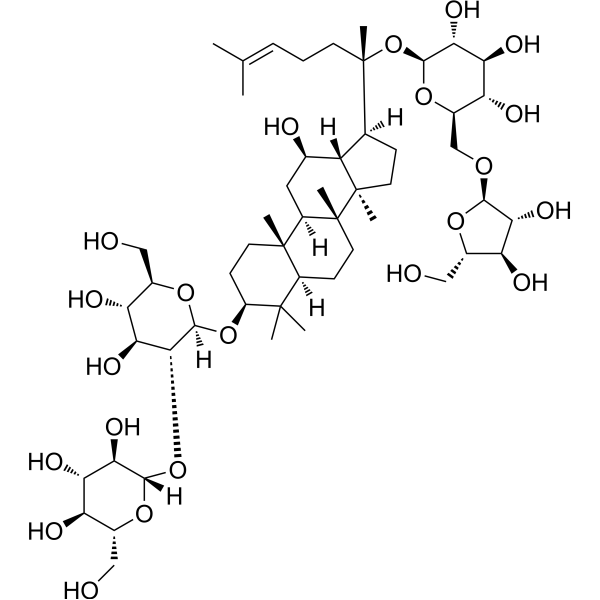 0 ImagesSynonyms: Panaxoside RcGinsenoside Rc, one of major Ginsenosides from Panax ginseng, enhances GABA receptorA (GABAA)-mediated ion channel currents (IGABA). Ginsenoside Rc inhibits the expression of TNF-α and IL-1β.
-
Harmane
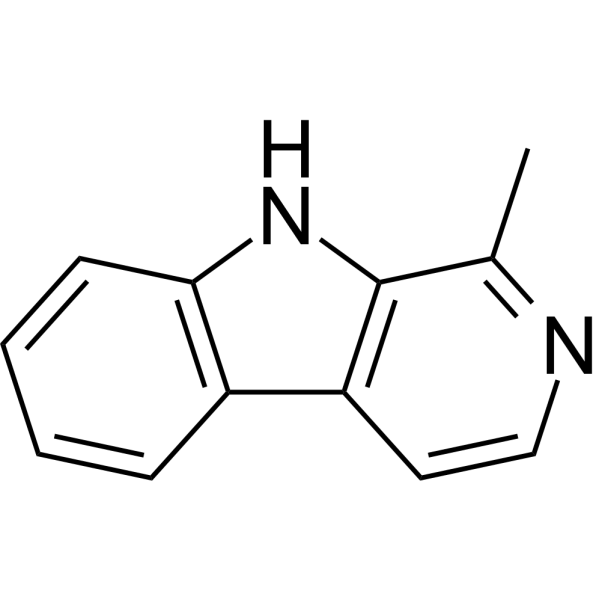 0 ImagesHarmane is a benzodiazepine receptor inhibitor (IC50=7 μM), with IC50 values for mACh, Opioid Receptor, MAO-A/B, and α2-adrenergic receptor of 24 μM, 2.8 μM, 0.5 μM, 5 μM, and 18 μM, respectively. Harmane inhibits the I1 imidazoline receptor (IC50 = 30 nM) to reduce blood pressure and has antidepressant, anti-anxiety, anticonvulsant, and analgesic effects. Harmane inhibits dopamine biosynthesis by decreasing tyrosine hydroxylase (TH) activity and enhancing L-DOPA-induced cytotoxicity in PC12 cells. Additionally, Harmane can increase the mutagenic effect induced by 2-acetylaminofluorene (AAF).
-
Gaboxadol hydrochloride
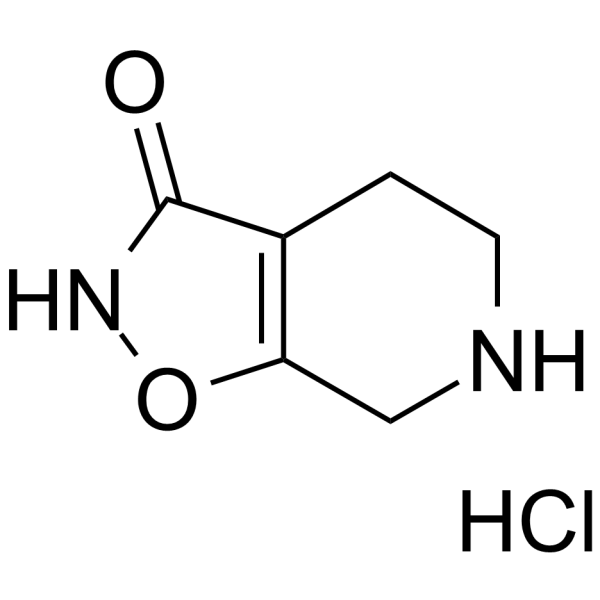 0 ImagesSynonyms: Lu 02-030 hydrochloride; THIP hydrochlorideGaboxadol hydrochloride (Lu 02-030 hydrochloride) is a potent agonist of the GABAA receptor and an antagonist of GABAC receptors (IC50=25 μM). Gaboxadol hydrochloride displays a partial agonist efficacy on subunit α1β2γ2 with an ED50 value of 143 μM, a full agonist efficacy at α5 subunit (ED50=28-129 μM) and a superagonist efficacy at α4β3δ (ED50=6 μM). Gaboxadol hydrochloride is a non-opioid agent.
-
THIP
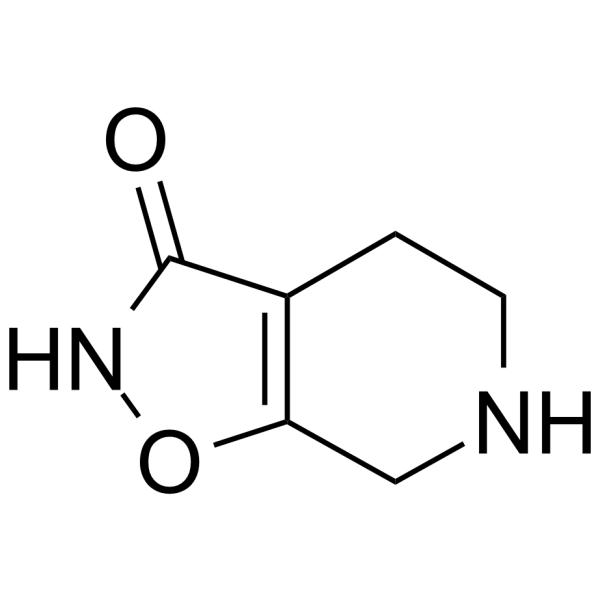 0 ImagesSynonyms: GaboxadolTHIP (Gaboxadol) is a selective extrasynaptic GABAA receptors (eGABARs) agonist (with blood-brain barrier permeability), shows an EC50 value of 13 μM for δ-GABAAR. THIP induces strong tense GABAA-mediated currents in layer 2/3 neurons, but shows on effect on miniature IPSCs. THIP can be used in studies of sleep disorders.
-
(R)-Baclofen
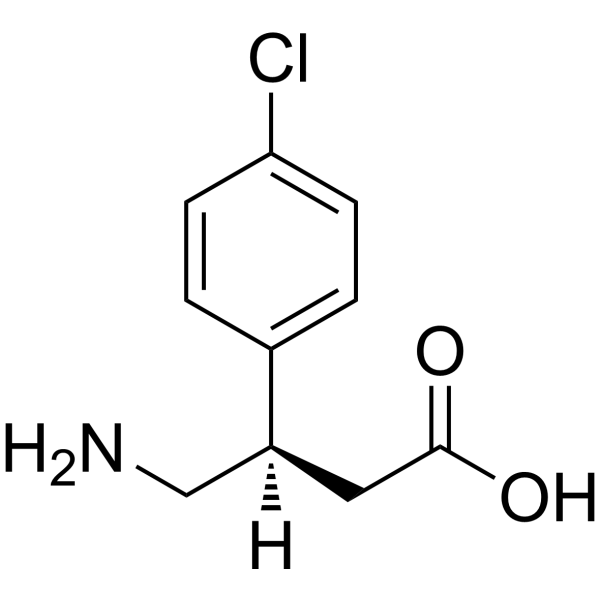 0 ImagesSynonyms: Arbaclofen; STX209(R)-Baclofen (Arbaclofen) is a selective GABAB receptor agonist.
-
Imidazoleacetic acid
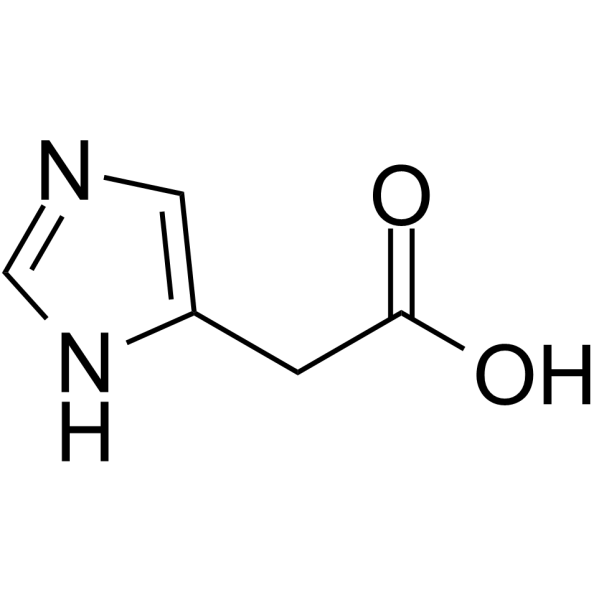 0 ImagesImidazoleacetic acid (Imidazolyl-4-acetic acid) is a blood-brain barrier-permeable full agonist of the GABAA receptor. Imidazoleacetic acid forms via histamine oxidation in the mouse brain. Imidazoleacetic acid exerts multiple neurochemical and behavioral effects. Imidazoleacetic acid induces a range of centrally mediated effects, including analgesia, sedation, hypnosis, as well as reductions in blood pressure, body temperature, isolation-induced aggression and motor activity.
-
CGP35348
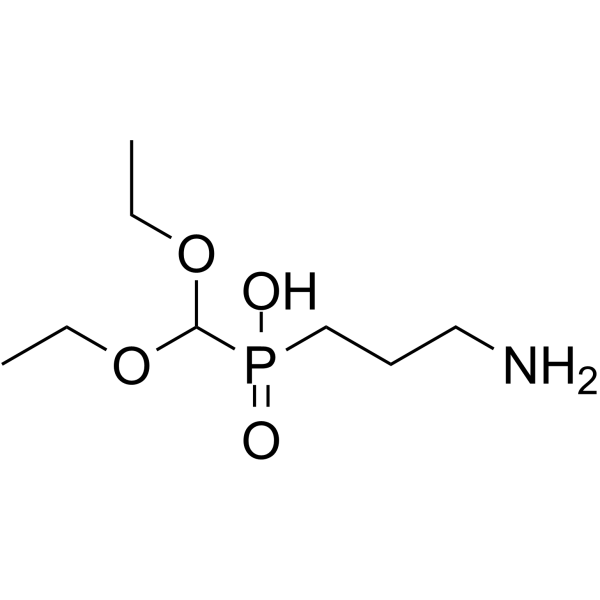 0 ImagesCGP 35348 is a selective, brain penetrant, centrally active GABAB receptor antagonist with an EC50 of 34 μM. CGP 35348 shows affinity for the GABAB receptor only. CGP 35348 has a potential to improve neuromuscular coordination and spatial learning in albino mouse following neonatal brain damage.
-
Creatinine-d5
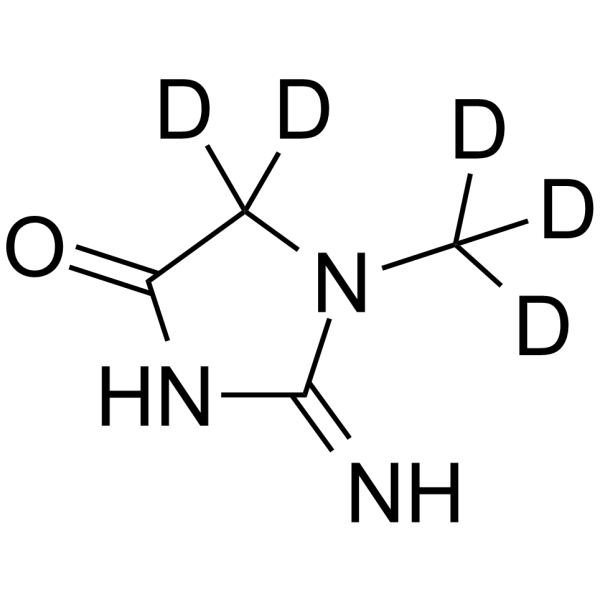 0 ImagesCat. No.: HY-B0504S2Purity: 99.93%Synonyms: NSC13123-d5Creatinine-d5 is the deuterium labeled Creatinine. Creatinine (NSC13123) is an orally active, blood-brain barrier-permeable modulator of GABAA and NMDA receptors, with activities of antioxidation and metabolic regulation. Creatinine is generated via non-enzymatic conversion of creatine and phosphocreatine in muscle. Creatinine serum levels correlate with muscle mass, glomerular filtration rate, and extrarenal clearance, serving as an evaluation biomarker for renal function, muscle mass, and clinical outcomes, and used for perioperative renal risk assessment. In addition, Creatinine can induce specific Cryptococcus species to produce creatinine deiminase and act as their nitrogen source, while it can be secreted via renal tubules. Creatinine is widely used in research related to various diseases such as neurodegenerative diseases, psychiatric disorders, acute kidney injury, chronic kidney disease, and renal failure.
-
Aminoxyacetic acid
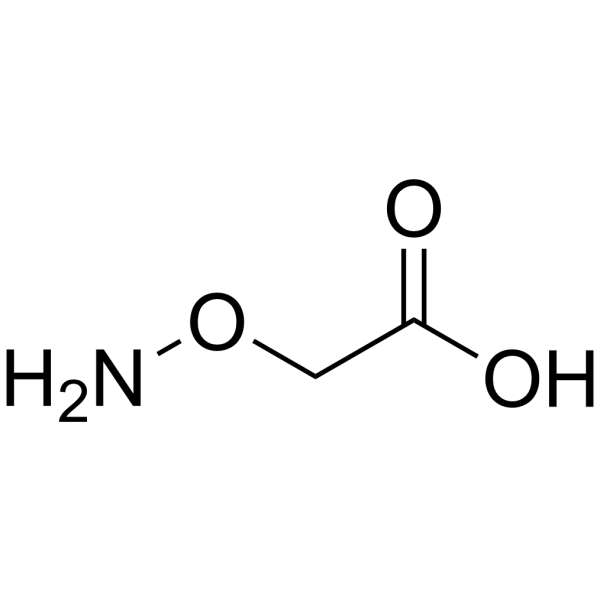 0 ImagesCat. No.: HY-107994ACAS No.: 645-88-5Synonyms: Carboxymethoxylamine; AminooxyacetateAminooxyacetic acid (Carboxymethoxylamine) is a malate-aspartate shuttle (MAS) inhibitor. Aminooxyacetic acid also inhibits the GABA degradating enzyme GABA-T.
-
AZD7325
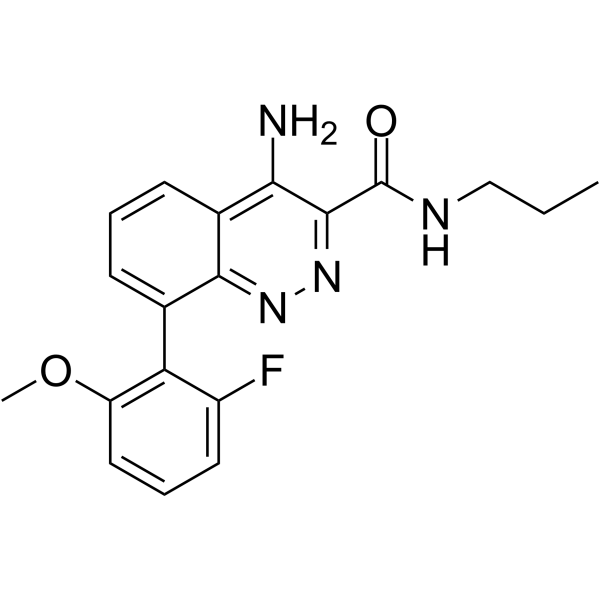 0 ImagesAZD7325 is a potent and orally active partial selective PAM of GABAAα2 and Aα3 receptor (Ki=0.3 and 1.3 nM, respectively), and has less antagonistic efficacy at the Aα1 and Aα5 receptor subtypes. AZD7325 is a moderate CYP1A2 and a potent CYP3A4 inducer in vitro. AZD7325 has the potential for the investigation of anxiety and dravet syndrome. PAM: positive allosteric modulator.
-
Cipepofol
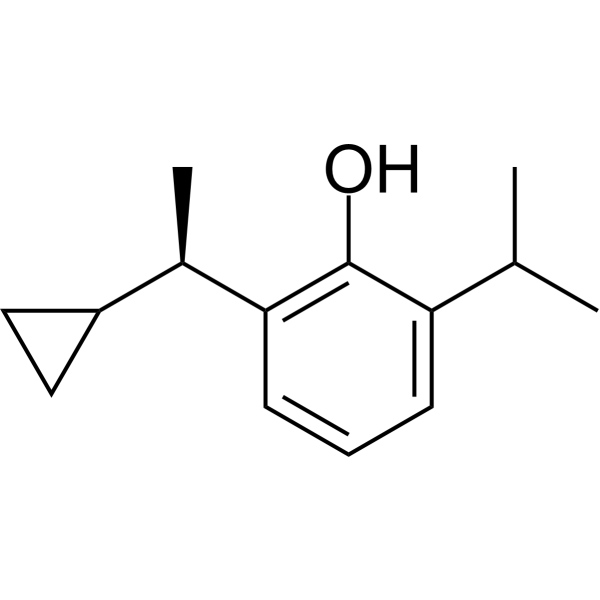 0 ImagesSynonyms: Ciprofol; HSK3486Cipepofol (Ciprofol), a novel 2,6-disubstituted phenol derivative, is a positive allosteric modulator and direct agonist of the GABAA receptor. Cipepofol can cause the central nerve inhibition and promote sleep based on the structural modification of Propofol (HY-B0649). Cipepofol can activate the sirtuin1 (Sirt1)/Nrf2 pathway. Cipepofol protects the heart against Isoproterenol (ISO; HY-B0468)-induced myocardial infarction by reducing cardiac oxidative stress, inflammatory response and cardiomyocyte apoptosis.
-
(S)-SNAP5114
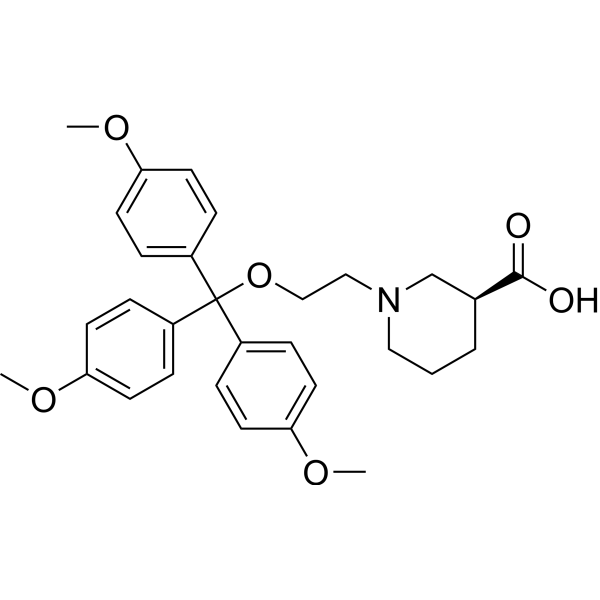 0 Images(S)-SNAP5114 is a non-covalent murine GABA transporter inhibitor with blood-brain barrier penetration ability, which exhibits significant subtype-selective inhibitory activity against mGAT4 (pIC50=5.71, pKi=4.56), much higher than its effects on mGAT1, mGAT2 and mGAT3. (S)-SNAP5114 elevates extracellular GABA concentrations by blocking the GABA reuptake mechanism, thereby enhancing thalamus-specific GABAergic signaling and exerting potential neuromodulatory effects. (S)-SNAP5114 is widely used in studies related to epilepsy, neuropathic pain, anxiety and depression, and various neurodegenerative diseases.
-
Scoulerine
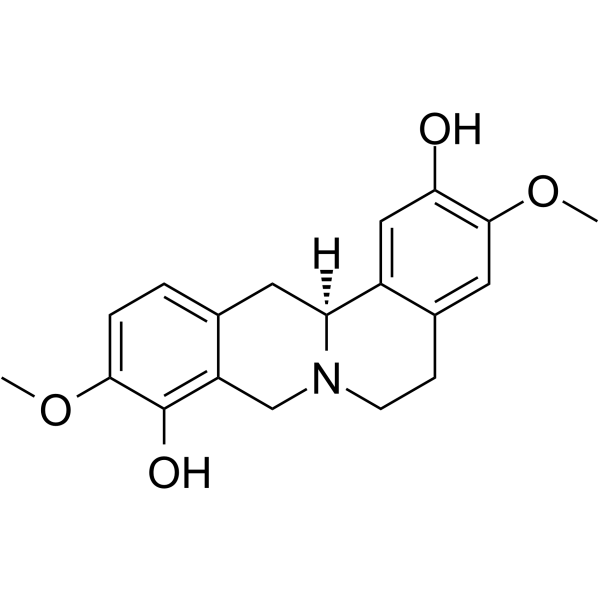 0 ImagesScoulerine ((-)-Scoulerine; Discretamine) hydrochloride is a multi-target inhibitor with anti-tumor and antioxidant activities. Scoulerine mainly targets the PI3K/Akt/mTOR signaling axis and α1D-adrenergic receptor, disrupts microtubule structure, and induces cell cycle arrest and apoptosis. Scoulerine effectively inhibits mitochondrial dehydrogenase activity, targets GABA receptors and BACE1, and suppresses the proliferation, migration, invasion, epithelial-mesenchymal transition and stem cell properties of cancer cells. Scoulerine also exhibits multiple pharmacological activities including anti-Plasmodium falciparum, antibacterial, antiemetic and antitussive effects, and regulates endoplasmic reticulum stress and mitochondrial function (modulates Bax, Bcl-2 and cytochrome c). Scoulerine is applicable to research related to leukemia, ovarian cancer, and colorectal cancer.
-
L-Cycloserine
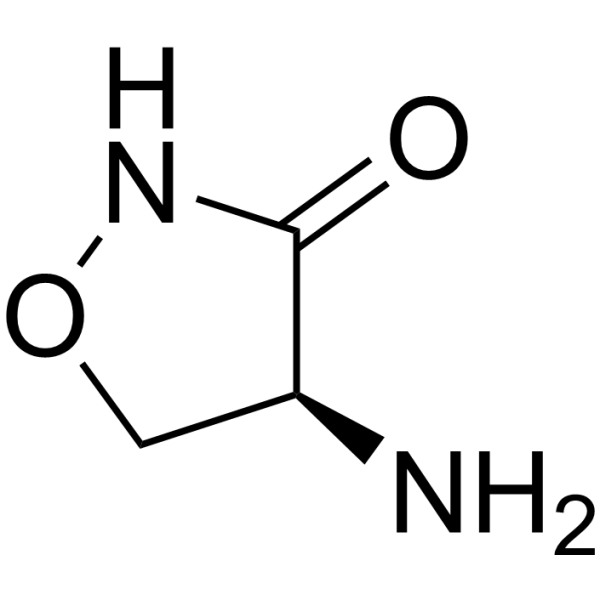 0 ImagesSynonyms: (S)-Cycloserine; (S)-4-Amino-3-isoxazolidoneL-Cycloserine ((S)-4-Amino-3-isoxazolidone) is an oral inhibitor of the enzyme gamma-aminobutyric acid (GABA) transaminase (GABA-t) and branched-chain transaminases in Mycobacterium tuberculosis. L-Cycloserine has anticonvulsant properties and inhibits the synthesis of neurotensin in mouse brains.




